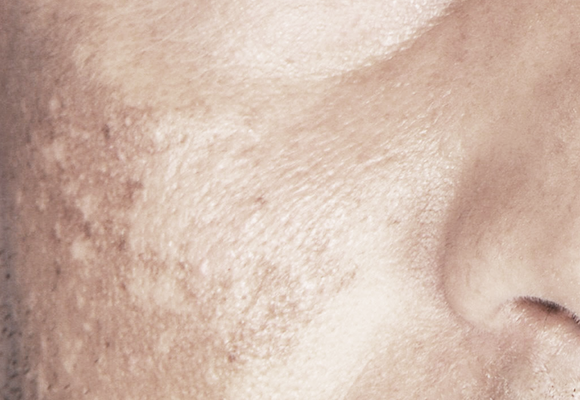
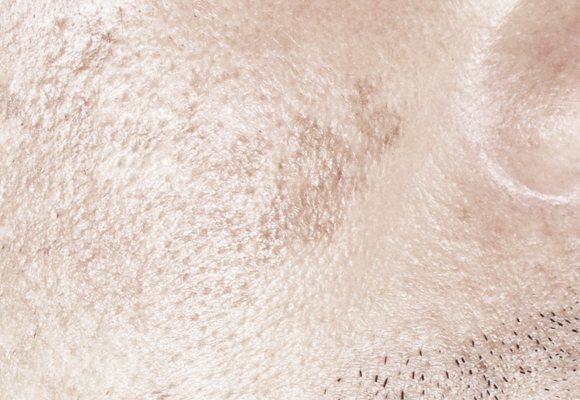
Treatment
Melasma is a condition that can cause considerable embarrassment and distress. Our dermatologist can now offer safe and effective treatments for optimal control.
- Sun protection plays a crucial role in melasma treatment. Not all sunscreens are created equal, and we can recommend one that blocks UVA, UVB, and visible light, which are all triggers of melasma.
- Medical-grade lightening creams only available on prescription can help lighten melasma in some patients.
- Oral tablets such as tranexamic acid are also very useful in our fight against melasma, often achieving excellent lightening results when taken over 4-6 months. Additionally, oral polypodium leucotomos, a safe and potent antioxidant, has been shown in studies to reduce melasma severity, especially when taken for 3 months or more.
- Sylfirm X is a microneedling radiofrequency device that has a unique pulsed wave mode to gently strengthen the basement membrane and improve the microenvironment and health of the skin, resulting in lightening of melasma pigmentation.
- Using Picoway laser at gentle settings can provide further maintenance and lightening of facial melasma. However, beware of using aggressive laser settings as darkening of melasma can sometimes occur.
- Lastly, injectables such as Rejuran and Profhilo can repair, restore, and hydrate the skin, enhancing the microenvironment integral to melasma treatment.
For further information and advice, please contact us at 6262 0880 for an appointment.
Scientific publications related to melasma
Dr Ho has long held a deep interest in skin pigmentation management, including melasma. This has led her to collaborate on studies with eminent Hong Kong and Singapore dermatologists, resulting in the publication of several scientific articles and book chapters.
- Ho SG, Chan HH. The Asian dermatologic patient: review of common pigmentary disorders and cutaneous diseases. American Journal of Clinical Dermatology 2009; 10(3): 153- 68
- Chan NP, Ho SG, Shek SY, Yeung CK, Chan HH. A case series of facial depigmentation associated with low fluence Q- switched 1064 nm Nd:YAG laser for skin rejuvenation and melasma. Lasers Surg Med 2010 Oct; 42(8): 712-9
- Ho SG, Yeung CK, Chan NP, Shek SY, Chan HH. A retrospective study of the management of Chinese melasma patients using a 1927 nm fractional thulium fiber laser. Journal of Cosmetic and Laser Therapy, 2013 Aug; 15(4):200-6
- Chan HHL, Ho SGY. 2008. Special Considerations in Asian/Far Eastern Skin. In: Alam M, Bhatia AC, Kundu RV, Yoo SS, Chan HHL, eds. Cosmetic Dermatology for Skin of Color, 1st edition, Chapter 21. United States: McGraw-Hill
- Ho SGY, Chan HHL. 2013. Laser treatment of ethnic skin. In: Hruza GJ, Avram MM, Dover JS, Alam M, eds. Procedures in Cosmetic Dermatology: Lasers and Lights, 3rd edition, Chapter 10. United States: Elsevier