Different types of Scars
Your dermatologist will assess your scars to determine the appropriate treatment, which may include:
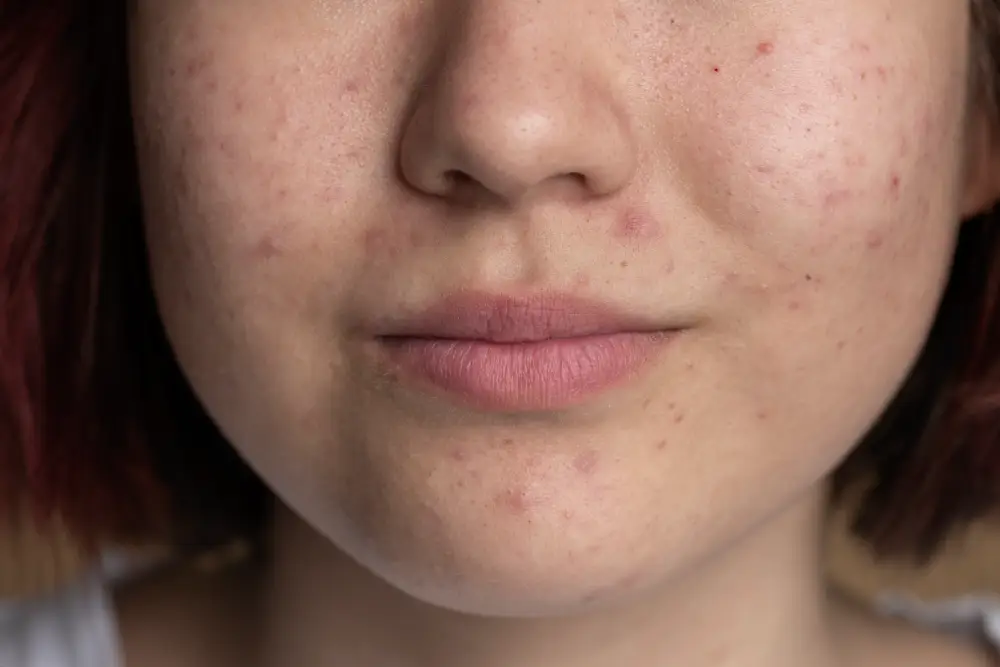
Acne scars – injections, needling techniques or fractional laser resurfacing may be used to improve acne scarring
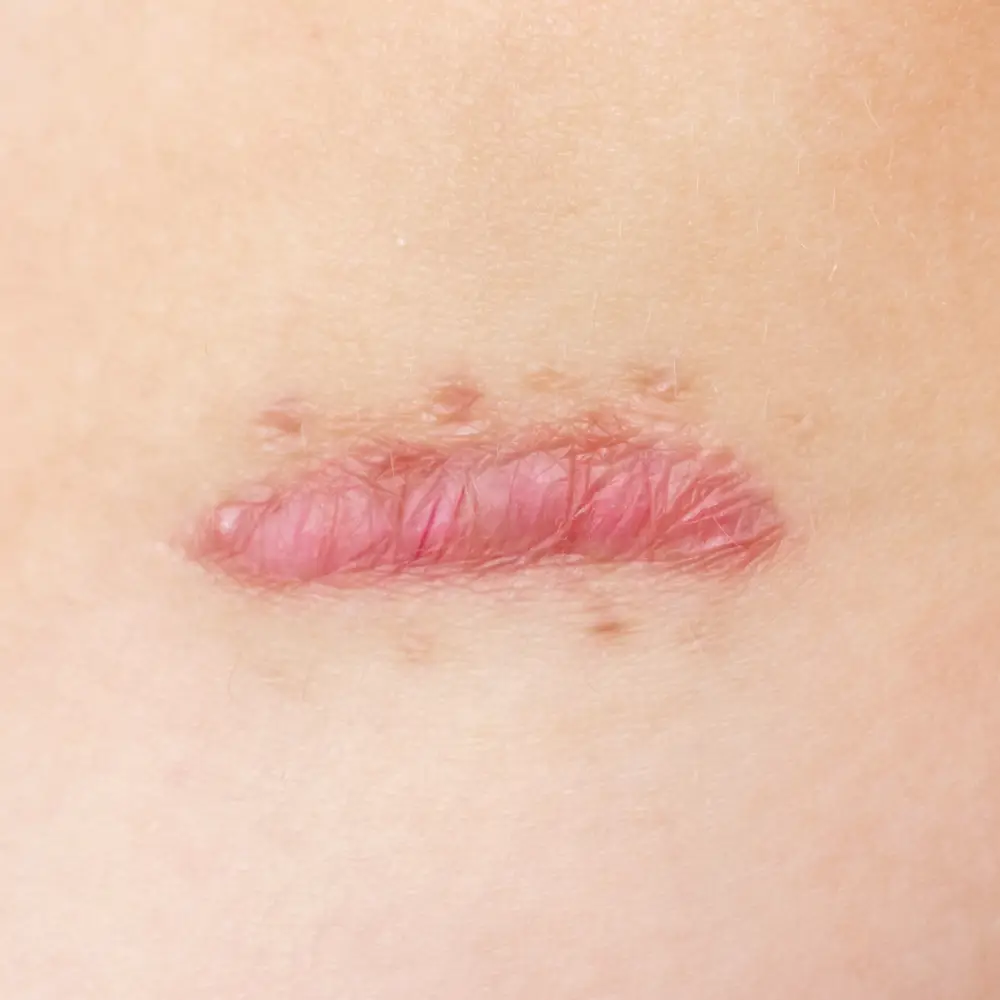
Keloid or hypertrophic scars – Silicon gels is the first line treatment of any scars. Disfiguring raised scars can be treated with steroid injections to soften and flatten. Vascular and picosecond lasers combined with steroid injections are often used to achieve even better results. In patients with earlobe keloids, CO2 laser and steroid injections can be used in combination to improve its appearance.
Depressed scars – Fractional laser resurfacing and collagen biostimulating injections can be used to improve the appearance of depressed scars by stimulating new collagen formation.
Scar Management
Common strategies for scar management include:
Topicals - Silicon based products are recommended as the first line therapy for prevention or treatment of abnormal scars. These can be applied once the wound has healed, aiming for 24 hours coverage and maintained for 2-3 months. It is most important to keep scars hydrated and stabilized in the early weeks.
Intralesional Injections – For cases where the scar is symptomatic or raised, monthly injections of steroids into the scar can be performed. Based on the thickness and response of your scar, your dermatologist will choose the appropriate concentration of corticosteroid for treatment.
Laser therapy – Pulsed dye laser (PDL) can be used for the treatment of red and raised scars, reducing the degree of redness and softening the scar. Picosecond lasers are effective at lightening brown or pigmented scars. Repeated treatments every 4-6 weeks is recommended. Fractional lasers are often used for depressed or atrophic scars eg acne scarring. These aim to stimulate new collagen formation to fill in the depressions and reduce the depth of the scar borders. Our fractional laser is gentle yet effective, and we aim to deliver good results with minimal downtime. A series of 4-5 treatments every month is recommended.
Combination laser and intralesional injections – Simultaneously treating scars with corticosteroid injections and pulsed dye or picosecond lasers can lead to even better results – softening, flattening and fading the scar all in the one treatment. Repeated treatments are recommended every month. In addition collagen biostimulating injections are powerful collagen enhancers that stimulate collagen and elastin production and improve scar texture and appearance.
Excision, steroid and pressure therapy – Large keloid scars eg earlobe keloids, can first be removed and contoured using a CO2 laser, followed by monthly intralesional steroids injections and daily pressure therapy. This reduces the risk of recurrence and aims for the best possible result.
Treat surgical scars EARLY – Every surgery results in a scar. Scars in high risk areas eg on the chest, neck, back and jaw can result in raised keloid scars, especially in Asians. Studies have increasingly supported the treatment of surgical scars early, rather than later, for a better final outcome. Both PDL and fractional lasers have been used to treat surgical scar sites and traumatic wounds early to improve the quality of scarring and prevent excessive scar formation.