Advanced Treatments for Acne Scars, Surgical Scars and Keloids
Scars can affect both appearance and confidence. Whether from acne, surgery, or injury, scars vary in type and require different treatment approaches.
At Stephanie Ho Dermatology, we provide specialised scar treatment using a combination of medical, laser, and procedural techniques to improve scar texture, colour, and overall appearance.
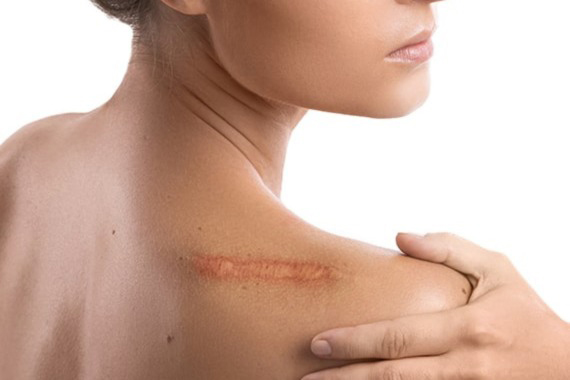
What types of scars can be treated
Different scars require different strategies.
Acne scars
- depressed (rolling, boxcar, ice-pick)
- sometimes combined with pigmentation
Surgical and trauma scars
- linear scars
- uneven texture or colour
Keloid scars
- thick, raised scars extending beyond the original wound
- may be itchy or painful
Hypertrophic scars
- raised but confined to the original wound
- often red and firm
| Types of Scars | Appearance | Characteristics | Suitable Treatments |
|---|---|---|---|
| Acne scars | Depressed (rolling, boxcar, ice-pick) | May also be accompanied by pigmentation | Laser, microneedling, subcision |
| Surgical and trauma scars | Usually linear | May have uneven texture or colour | Laser, microneedling |
| Keloid scars | Thick, raised, extends beyond the original wound | Can be itchy or painful | Steroid injections, laser |
| Hypertrophic scars | Raised but stays within the original wound | Often red and firm | Steroid injections, laser |
A personalised approach to scar treatment
Scar treatment is rarely a single procedure. The best results come from a combination approach tailored to scar type and skin type.
Laser treatments
We use a range of medical-grade lasers:
-
Fractional CO2 laser
- stimulates collagen
- improves texture and depressed scars
- allows enhanced delivery of regenerative agents such as exosomes or collagen biostimulators after treatment to support deeper repair
-
Vascular laser (pulsed dye laser)
- reduces redness in scars
-
Pigment lasers (picosecond / Q-switched)
- treat pigmentation associated with scars
These help:
- smooth scars
- reduce redness and pigmentation
- improve overall skin quality
RF microneedling
- stimulates collagen production
- improves skin texture
- useful for acne scars and mild to moderate scarring
To enhance results, regenerative agents can be applied immediately after treatment:
-
Exosomes
- support healing and skin regeneration
-
Collagen-stimulating injectables (biostimulators)
- enhance collagen production
- improve deeper atrophic scars over time
This combination approach helps optimise scar remodelling and treatment outcomes.
Subcision
- releases tethered scar tissue beneath the skin
- particularly effective for rolling acne scars
- often combined with other treatments
Injectable treatments
-
Steroid injections
- flatten keloid and hypertrophic scars
-
Collagen-stimulating injectables (biostimulators)
- improve atrophic scars
- enhance skin thickness and structure
-
Fillers (in selected cases)
- lift depressed scars
Chemical peels
- improve superficial scars and pigmentation
- enhance skin texture
| Treatment | Suitable for | Benefits |
|---|---|---|
| Fractional CO2 laser | Depressed acne scars | Improves texture and stimulates collagen |
| Vascular laser (pulsed dye laser) | Red, inflamed scars | Reduces redness |
| Pigment lasers (picosecond / Q-switched) | Pigmented scars | Improves uneven skin tone |
| RF microneedling | Acne scars, mild to moderate scars | Stimulates collagen and skin remodelling |
| Subcision | Rolling acne scars | Releases tethered scars |
| Steroid injections | Keloid, hypertrophic scars | Flattens raised scars |
| Collagen-stimulating injectables (biostimulators) | Atrophic scars | Improves collagen and skin structure |
| Fillers | Selected depressed scars | Restores volume |
| Chemical Peels | Superficial scars | Improves texture and pigmentation |
Comfort during scar treatment
Scar treatments are designed to be as comfortable as possible.
- Topical numbing creams are routinely applied if large scar areas are treated
- additional numbing strategies (e.g. local anaesthetic or cooling devices) may be used when required
- most treatments are quick and well tolerated with minimal discomfort
What results can you expect from scar treatment?
- gradual improvement over multiple sessions
- smoother skin texture
- reduced redness and pigmentation
- scars becoming less noticeable
Most patients require 3–6 or more sessions, depending on scar type and severity.
Complete removal is not possible, but significant improvement is achievable.
Important considerations
- early treatment gives better results
- combination therapy is usually required
- results take time and improve progressively
Your dermatologist will discuss:
- realistic expectations
- number of sessions required
- downtime and risks
Why specialist care matters
Scar treatment requires:
- accurate scar classification
- appropriate technique selection
- careful treatment sequencing
Incorrect treatment can worsen scars or lead to complications.
At Stephanie Ho Dermatology:
- treatments are tailored to your scar type and skin
- medical-grade technologies are used
- emphasis is on safe, consistent improvement
Who should consider scar treatment?
You may benefit if you:
Have acne scars affecting texture
Notice raised or thickened scars
Are concerned about surgical or trauma scars
Want to improve skin smoothness and appearance
Frequently Asked Questions about Scar Treatment
What is the most effective treatment for scars?
The most effective scar treatment depends on the type, size, and severity of the scar. Treatments such as laser therapy and RF microneedling are among the commonly used options.
Can scars be removed completely?
No, scars cannot be permanently or completely removed. However, treatments such as laser therapy, microneedling, subcision, injections, and chemical peels can significantly remodel scar tissue, improving its appearance and making scars much less noticeable.
Can old scars still be treated?
Yes, old scars can be treated with procedures such as laser therapy, microneedling, or chemical peels to improve their appearance. However scars are difficult to completely remove, and treatment aims to reduce their visibility and improve skin texture. Results will thus vary from individual to individual.
What not to do with scars?
To help scars heal faster and achieve the best possible outcome, you should avoid:
- Exposure to the sun
- Picking, scratching, or irritating the scar
- Applying unproven remedies or harsh substances such as alcohol
How long do scars take to fade?
Scars cannot be completely removed, but they often fade and become less noticeable over time. This natural healing process can take up to 2 years or longer. Treatments such as laser therapy, microneedling, and other scar procedures can help accelerate scar improvement and enhance the overall appearance.
Is laser treatment for scars painful?
You may experience minimal discomfort during scar treatment. Numbing cream is applied before the procedure to help improve comfort and reduce any sensation during treatment.
When to start scar treatment after surgery?
Scar treatment can typically be started 2–3 weeks after surgery, once the wound has healed and the skin has closed.
Can vitamin E help with scars?
No, current evidence does not support the routine use of topical vitamin E for improving the appearance of scars. A clinical study found that applying topical vitamin E after skin surgery did not improve cosmetic outcomes and, in many cases, had no effect or even worsened the appearance of scars.
How much is scar removal treatment in Singapore?
The total cost depends on the type and severity of the scar, the treatment method used, and the number of sessions required. Book a consultation today for a personalised assessment and a tailored treatment plan with a detailed cost estimate.